Social Patterns

Decoding the underlying social patterns, unwritten rules, and behavioral codes that shape life in modern Korea.

Why do Koreans read the room so well? — The Art of Nunchi
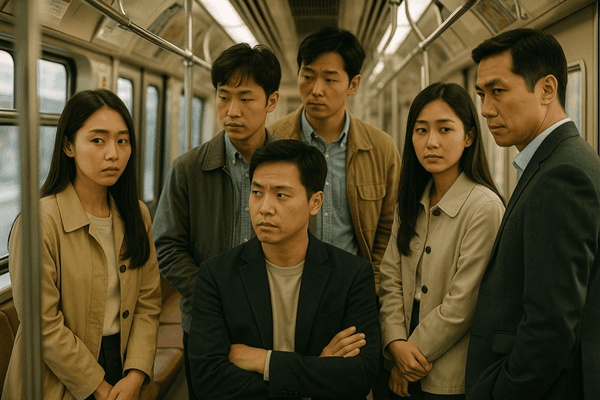
Korean subway passengers quietly exchanging subtle glances, reading each other’s mood without speaking — an example of nunchi in everyday Korean culture.

Korean Culture Series · 03 ✨ The Art of Reading the Room — Korean “Nunchi” Culture 말보다 빠른 공감, 한국인의 사회적 초감각 “Nunchi” is the unspoken choreography of daily life. “How do Koreans always know what others are feeling —…


Why Koreans Stay Out After Dark?

Split-view photograph of Seoul showing day and night in one frame, with bright daylight on the left and neon-lit streets on the right, symbolizing a city that never sleeps.

K-Culture • Night Economy • Social Rhythm Seoul by Night — Why Koreans Stay Out After Dark 한국은 왜 밤에도 이렇게 활기찰까? Seoul doesn’t really sleep. From late-night street food to 24-hour convenience stores, Korea’s after-dark rhythm blends safety, convenience,…

Why Do Koreans Love White Cars?

“Dynamic podium scene of white, gray, and black cars jumping into 1st, 2nd, and 3rd places — symbolizing South Korea’s top car color preferences.”

Seoul at dusk — a quiet parade of white cars.K-Culture · Design Codes White cars are everywhere in Korea — not just a trend, but a cultural code that signals cleanliness, order, and refined confidence. In Seoul, a white sedan…

Why do Koreans always say “I’ll pay”?

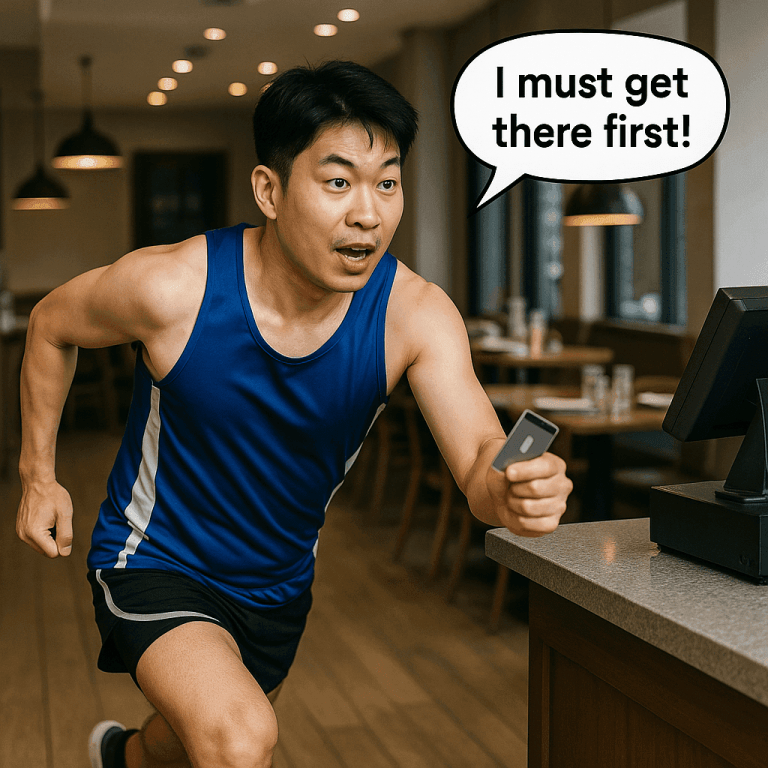
Korean man sprinting toward a restaurant cashier holding a credit card, shouting “I can’t miss this!!” — a humorous scene about Koreans’ eagerness to pay first.

Culture • Social Code • Domestic Edition 한국인의 “내가 낼게” 문화, 왜 그렇게 뜨거운가 Why Koreans keep saying “I’ll pay!” — the wholesome kindness battle If you dine out in Korea, you might witness a friendly duel at the cashier:…

Why Do Koreans Take Off Their Shoes Indoors?

Bare feet and socks on a wooden floor in a Korean home, showing the tradition of taking off shoes indoors.

Culture • Etiquette 왜 한국 사람들은 실내에서 신발을 벗을까? Why Do Koreans Take Off Their Shoes Indoors? 온돌문화에서 시작된 방식. 바닥이 생활의 중심이기에, 신발을 벗고 들어오는 게 자연스러워졌어요. Born from ondol culture—where the floor is the heart of the home—shoes-off…

Why Do Koreans Feel Comfortable Only When Things Are Fast?

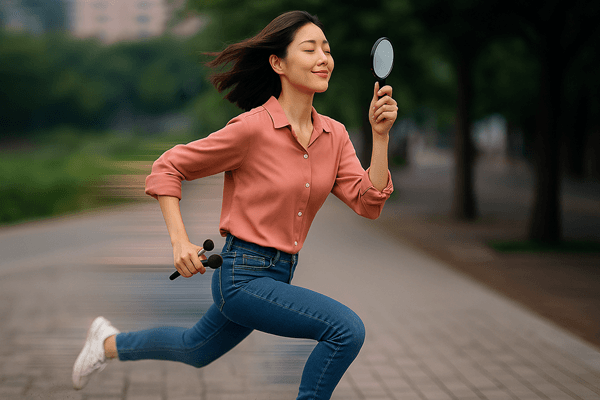
Korean woman running outdoors while holding a small mirror, symbolizing fast-paced Korean beauty culture.

Essence of Korea Why Do Koreans Feel Comfortable Only When Things Are Fast? “Ppalli Ppalli(빨리빨리)” is not just a phrase — it’s a system update installed in every Korean’s brain. ⚡ 10-minute delivery 📦 Next-day shipping 🎬 1.5× speed 🔔…

Why Do People Only Buy Cosmetics in Korea?

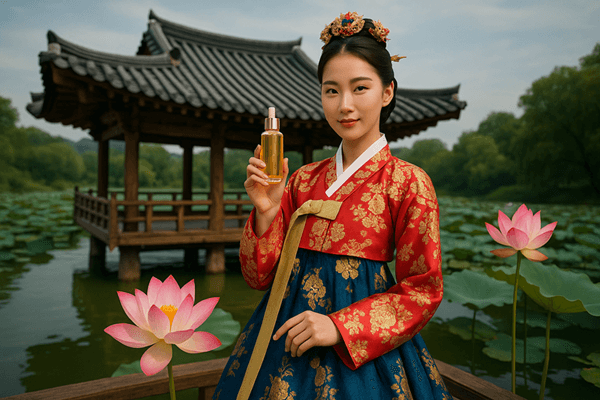
Korean woman in traditional hanbok holding a skincare product by a lotus pond pavilion.

Why Do People Only Buy Cosmetics in Korea? 한국에 오면 다들 왜 화장품만 살까? When you stroll through Seoul’s Myeongdong or Gangnam, it’s hard to miss tourists leaving with arms full of K-beauty treasures — serums, masks, and creams they…

Why Do Koreans Always Say “Fighting!”?

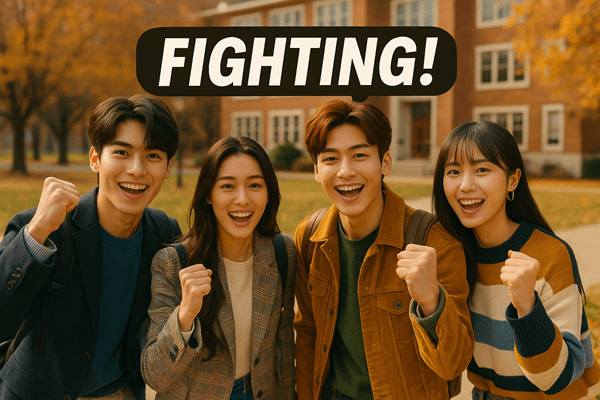
Korean college students smiling and cheering “Fighting!” together outdoors in autumn.

Essence of Korea 한국인들은 왜 “화이팅!”을 외칠까? Why do Koreans Always Say “Fighting!”? “화이팅!” — 시작 전 용기를 북돋우는 한국식 응원 🗣️ 1. “Fighting!”은 영어가 아니다?! 한국에서 “화이팅(Fighting)!”은 단순 영어 뜻이 아닌 “힘내!”, “잘해보자!”, “응원할게!”라는 의미로 쓰인다. In Korea, “Fighting!”…

Why Do Koreans Asking “Did you eat?”

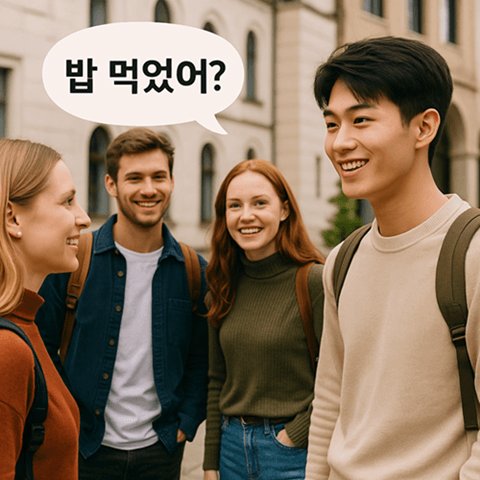
A smiling Korean student greeting foreign friends by saying “밥 먹었어?” (“Did you eat?”), illustrating how Koreans use meal-related phrases as a warm everyday greeting.

Essence of Korea 한국인들은 왜 “밥 먹었어?”를 그렇게 자주 물어볼까? Why do Koreans keep asking “Did you eat?” — and actually mean it? 서울 골목에서 나누는 따뜻한 인사 🥢 1. 그 인사는 진짜로 궁금한 거다 “밥 먹었어?”라는 질문은 단순한 인사가…