SONGHA

SONGHA

Baseball in Korea & Cricket in India [India Edition]

Indian cricket fans cheering in a brightly lit stadium during a night IPL match, waving tricolor flags with saffron on top, wearing colorful team jerseys, celebrating with fireworks and confetti under the lights.

Beyond the Game: Baseball in Korea & Cricket in India EN·HI·KR side-by-side · Sports × Culture × Shared Emotion Quick Sections — Origins · Social Meaning · Cultural Iconography · Global Reach · Media & Industry · Summary Table ·…

The Second-Hand Surge in Korea

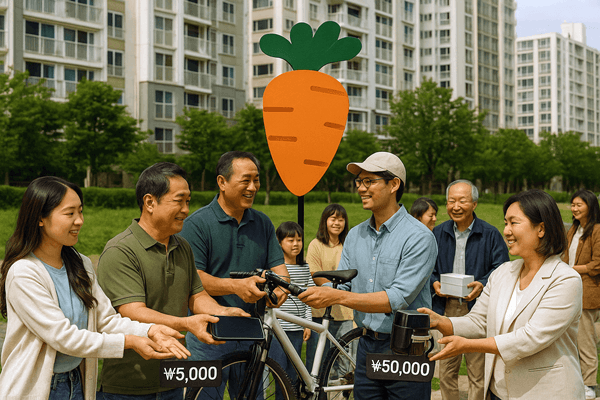
A realistic photograph symbolizing Korea’s second-hand trading industry and circular economy. A hand holds used goods, coins, and icons representing recycling and social value (₩ signs), depicting the flow of resources, money, and goodwill in Korean society.

CoreanLab · Industry & Culture Edition The Second-Hand Surge in Korea – Trading Value, Not Just Things 한국의 중고거래 대확산 — 물건이 아닌 ‘가치’가 거래되는 시대 From saving to sharing — Korea’s second-hand boom is rewriting consumption.절약에서 공유로, 한국의 중고거래는…

When Running Became an Industry

A conceptual image symbolizing Korea’s running culture evolving into an industry. A Korean runner stands at the center as streams of light expand outward, forming icons of technology, fashion, wellness, and tourism under the Han River skyline. The scene represents the growth of the “K-Running Industry.”

CoreanLab · Lifestyle Industry Edition The Running Culture of Korea — When Running Became an Industry 한국의 러닝 문화 — 달리기가 산업이 된 나라 Seoul’s Han River at sunrise — the open-air gym of a new generation. 서울의 한강변은 이제…

Korean Golf Industry 2022–2025

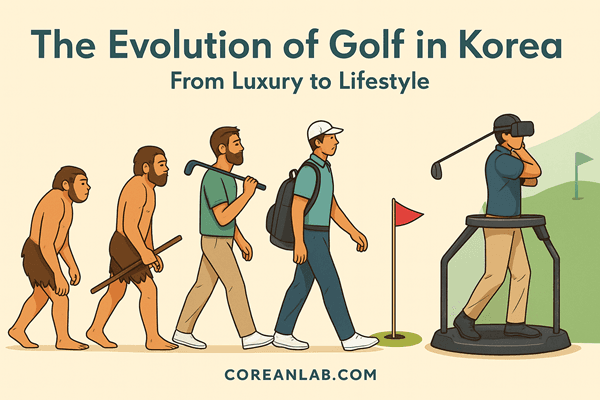
Illustration showing the evolution of golf in Korea — from primitive man to a modern golfer using a 4D simulator, symbolizing how golf has evolved from luxury to lifestyle.

CoreanLab · Industry Edition Korean Golf Industry 2022–2025 [From Boom to Balance] 한국 골프산업 2022–2025 [호황에서 균형기로] Updated: 2025-10 Category: Leisure · Sports Business Why Did Korea’s Golf Boom Happen? 왜 한국에서 골프 붐이 일어났는가? The perfect storm of culture,…

Delivery: How Korea Built the World’s Fastest On-Demand Culture

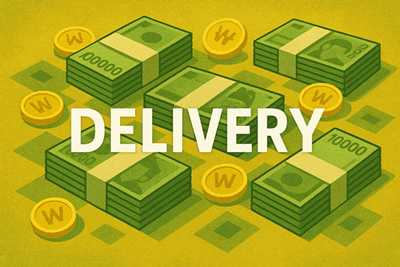
"Stacks of green and gold Korean won–inspired cash bundles and coins surrounding the bold white word DELIVERY, symbolizing the profitability and growth of the delivery industry."

Korea didn’t just deliver food. It built a national habit of immediate convenience — powered by dense cities, near-frictionless mobile payments, and fast logistics. 한국은 도시 밀도·모바일 결제·빠른 물류로 ‘즉시편의’ 습관을 만들었습니다. Delivery became daily infrastructure in Korea ≈26조원2024E Market…

Why Are There So Many Cafés in Korea?

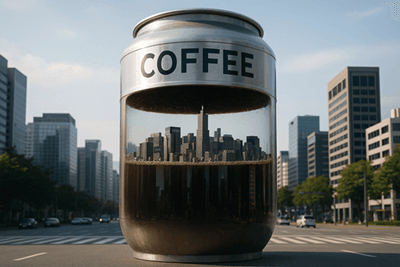
A massive stainless coffee tank towering in the middle of Seoul’s business district, with a miniature skyline submerged inside dark coffee, symbolizing Korea’s oversized and saturated café culture.

Korea Coffee Landscape Why Are There So Many Cafés in Korea? A Data-Driven Look 왜 한국엔 카페가 이렇게 많을까? 데이터로 보는 커피 산업 10M+ population per ~1,500 cafés, 405 cups per person a year. Here’s the market—by the numbers. 인구…

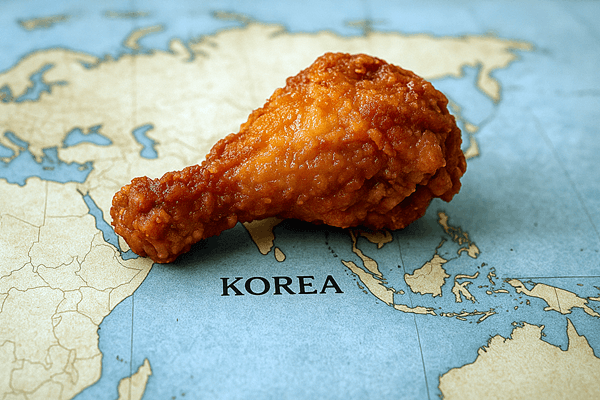
Why Do Koreans Can’t Stop Eating Chicken

Glossy Korean yangnyeom fried chicken with a red spicy glaze and sesame seeds, showcasing authentic K-chicken flavor.

Why Koreans Can’t Stop Eating Chicken— 한국인의 치킨 사랑 탐구 K-Food · Culture Fried chicken in Korea isn’t just food. It’s a social language, a comfort ritual, and a late-night routine. / 한국의 치킨은 음식 그 이상, 관계의 언어이자 밤의…

Why Koreans Stay Out After Dark?

Split-view photograph of Seoul showing day and night in one frame, with bright daylight on the left and neon-lit streets on the right, symbolizing a city that never sleeps.

K-Culture • Night Economy • Social Rhythm Seoul by Night — Why Koreans Stay Out After Dark 한국은 왜 밤에도 이렇게 활기찰까? Seoul doesn’t really sleep. From late-night street food to 24-hour convenience stores, Korea’s after-dark rhythm blends safety, convenience,…

Why Do Koreans Love White Cars?

“Dynamic podium scene of white, gray, and black cars jumping into 1st, 2nd, and 3rd places — symbolizing South Korea’s top car color preferences.”

Seoul at dusk — a quiet parade of white cars.K-Culture · Design Codes White cars are everywhere in Korea — not just a trend, but a cultural code that signals cleanliness, order, and refined confidence. In Seoul, a white sedan…