

한국의 나이 문화
“How old are you… really?” — The Korean Age Culture Explained
한국에서 나이는 단순한 숫자가 아니다. Age in Korea doesn’t just count years — it sets the tone of speech, titles, and even friendships.
Korean age culture blends tradition and etiquette: two ways to count age (old “Korean age” vs. international age), and a social norm where age guides how you speak (polite vs. casual) and how you address others (hyung, noona, sunbae…).
나이는 말투·호칭·관계를 결정하는 실전 매너의 기준점. 숫자 이상의 의미가 있다.
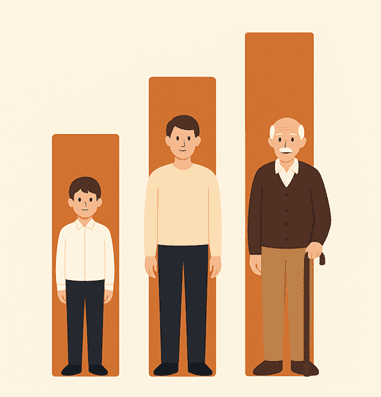
1) “한국 나이” vs “만 나이” — Double-Age Dilemma
Traditionally, you were 1 at birth, and everyone got a year older on New Year’s Day. This created the famous “Korean age.” Now, the official standard is international age, but many still reference the old way in daily talk.
공식적으론 만 나이가 기준이지만, “한국 나이로는?”이란 질문은 여전히 일상적이다.
How to read both ages
- International age:
Current year − birth year, minus 1 if your birthday hasn’t passed. - 한국 나이: 태어나자마자 1살, 새해가 되면 모두 +1.
- Example: Born Dec 1997 → In June 2025: International 27; Korean age would’ve been 29.
2) 나이는 ‘관계의 GPS’ — Age decides how you speak
In Korean, a one-year difference can switch the entire conversation: casual vs. honorifics, first-name vs. titles. That’s why people ask age early — not to pry, but to steer politely.
첫 만남에 나이를 묻는 건 예의의 사전 작업이다. 동갑이면 친구, 한 살 차이면 형/누나/오빠/언니… 호칭과 말투가 달라진다.
“We’re the same age? High five!” → “Wait… you’re 1991?” → “Okay, hyung.” 😅
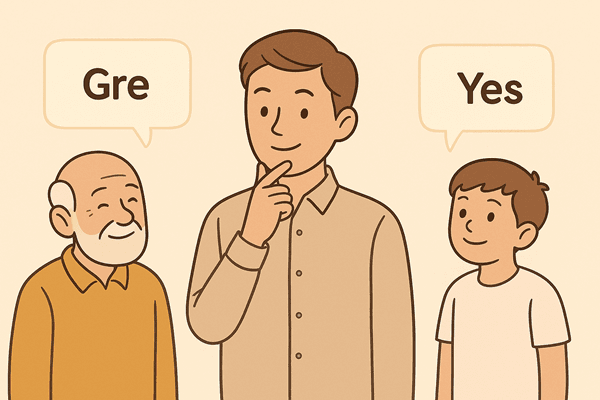
3) 언어에 스며든 나이 — Respect baked into language
Instead of “you,” Koreans often use titles:
“Hyung” (a term used by a male to address an older brother or close older male friend)
“Noona” (a term used by a male to address an older sister or close older female friend),
“Unni” (a term used by a female to address an older female, mixing warmth and familiarity with respect),
“Oppa” (a term used by a female to address an older male, mixing warmth and familiarity with respect),
or workplace titles like “과장님.” Age quietly directs every sentence.
나이는 존댓말/반말, 호칭 체계를 움직이는 핵심 변수다. 그래서 ‘몇 살이세요?’는 무례보다 배려에 가깝다.
4) 현실 예시 😆 — Tiny years, big effects
- 🍻 One-year wall
You think you’re friends… until he’s one year older. Toast drops an octave: “Cheers!” → “Hyung, you first.”
- 🎂 January vs. December
Same school year, different birthdays: the December-born gets eternal teasing—“You’re basically a baby!”
- 👶 Day-one age
Traditional counting starts at 1 on the day you’re born. No zero — life comes with a head start.
- ☕ Casual chaos
“I’m 29.” “Same!” “International or Korean?” — café goes silent while everyone does math.
- 🧑💼 Office alchemy
Titles outrank names. “Manager Kim (김과장님)” even if you’re close — age + rank = honorific autopilot.
5) 미니 타임라인 — Mini timeline of change
- Joseon era → Family/lineage hierarchy shapes speech and titles.
- 근현대 → 학교/군대/회사 문화가 서열·호칭 체계를 공고화.
- Today → International age standard for docs; culturally, age etiquette still matters (looser among Gen Z).
6) 표현 가이드 — Phrases you’ll actually use
나이가 어떻게 되세요? “If you don’t mind me asking, how old are you?”
몇 년생이세요? “What year were you born?”
편하게 말씀 주세요. “Feel free to speak casually if you’d like.”
매너 체크리스트 — Do & Don’t
- Do: Start with polite speech + a title (“민수님,” “선배”).
- Don’t: Assume first names without titles in formal settings.
7) Q&A
Why do Koreans ask age first? — Isn’t it rude?
It’s social navigation. Age helps pick speech levels and titles — more about respect than curiosity.
상대에게 맞는 존댓말·호칭을 정하려는 배려에 가깝다.
Is “Korean age” gone now?
International age is standard for official use. Culturally, some still use the old count in casual talk.
공식적으론 만 나이 사용, 일상적으론 혼용되는 경우가 있다.
Do younger Koreans still care about hierarchy?
Less than before — Gen Z often prefers casual speech. Yet the core value of respect remains.
과거보다 느슨해졌지만 존중의 기본값은 유지된다.
How should I address someone safely at first?
Use polite speech + name with a title
김 선생님~, 이 사장님~, 이정도로 부르면 안전하다.