

GLOBAL SPORT · Winter Olympics
What Will Be Different at the 2026 Winter Olympics?
Milano Cortina 2026 and the quiet transformation of the Winter Games
2026 밀라노·코르티나 동계올림픽, 무엇이 달라지고 왜 중요한가
The Winter Olympics has always been about extremes — extreme cold, extreme speed, and extreme national pride. But by the mid-2020s, the Games began facing a different kind of pressure: cost, sustainability, and relevance.
동계올림픽은 늘 극단의 스포츠였다. 추위, 속도, 국가 경쟁. 하지만 2020년대를 지나며, 올림픽은 전혀 다른 질문을 받기 시작했다. “과연 이 방식이 계속 가능할까?”
The Milano Cortina 2026 Winter Olympics doesn’t try to answer that question loudly. Instead, it quietly changes the rules of how a Winter Games can exist.
밀라노·코르티나 올림픽은 혁명처럼 보이지 않는다. 하지만 구조를 보면, 이미 다른 게임이다.
Milano Cortina 2026 isn’t about spectacle — it’s about survival of the Olympic model.
2026 동계올림픽의 핵심은 ‘볼거리’가 아니라, 올림픽이라는 시스템의 생존이다.
From one host city to a distributed Olympics
Previous Winter Olympics often tried to concentrate everything into one region. That meant massive construction, new highways, and venues that struggled to find a purpose afterward.
과거 동계올림픽은 “한 지역에 모든 것을 몰아넣는 방식”이었다. 대규모 건설은 필수였고, 대회가 끝난 뒤에는 활용되지 못하는 시설들이 남았다.
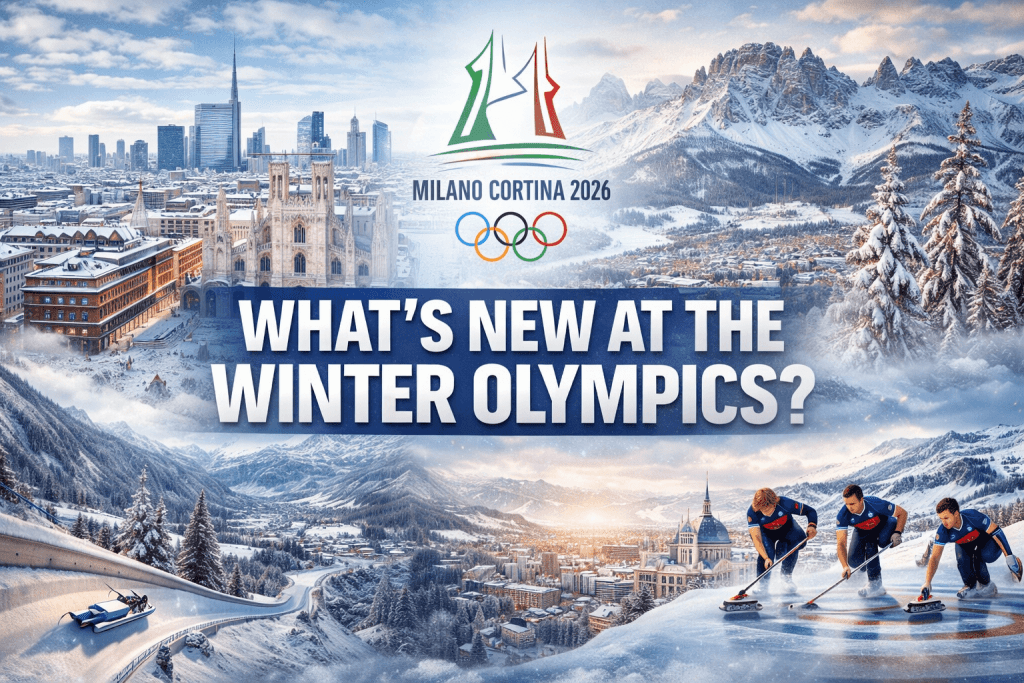
- Milano: ceremonies, indoor sports, media and cultural hub
- Cortina d’Ampezzo: alpine skiing and sliding sports
- Livigno: freestyle skiing and snowboarding
- Anterselva: biathlon
Instead of forcing one place to become “everything,” Milano Cortina lets each location do what it already does best.
이 올림픽의 핵심은 “새로 만들기”가 아니라, 이미 잘하는 곳에 맡기기다.
Why this Olympics builds less — and why that matters
Milano Cortina 2026 is one of the least construction-heavy Winter Olympics in decades. Most venues already exist, and temporary structures are favored over permanent ones.
이번 동계올림픽은 최근 수십 년 중 신규 건설이 가장 적은 올림픽 중 하나다.
- Reuse of existing ski resorts and arenas
- Temporary venues where long-term demand is uncertain
- Lower public debt exposure after the Games
This isn’t just environmental messaging. It’s a financial survival strategy for future host cities.
이는 친환경 슬로건이 아니라, 앞으로 올림픽을 유치할 수 있게 만드는 현실적 조건이다.
How the competitions themselves are evolving
Another quiet shift is happening inside the competition formats. The IOC increasingly favors events that are faster to understand, easier to broadcast, and more dramatic for casual viewers.
종목 구성에서도 변화가 진행 중이다. 한눈에 이해되고, 중계하기 쉽고, 드라마가 빠르게 만들어지는 방식이다.
- More mixed-gender team events
- Shorter competition windows
- Head-to-head formats over long time trials
This doesn’t reduce athletic difficulty. It changes how stories are told during the Games.
이는 경기 수준을 낮추는 것이 아니라, 이야기를 전달하는 방식을 바꾸는 것이다.
Small but interesting things fans may notice
- Italian design influence: uniforms, medals, ceremonies
- Food realism: venues near real cities, not isolated Olympic bubbles
- Travel-based storytelling: athletes moving between regions
- Less “monumental,” more human-scale
Milano Cortina may feel less overwhelming than past Games — but also more relatable.
이번 올림픽은 “압도적”이기보다는, 사람의 크기에 가까운 올림픽에 가깝다.
Why Milano Cortina 2026 could shape the future
If this Olympics works — financially, logistically, and emotionally — it becomes a template for future Winter Games.
밀라노·코르티나가 성공하면, 동계올림픽은 다시 “유치 가능한 이벤트”가 된다.
They’ll ask “How lightly can we land?”
Milano Cortina 2026 shows a Winter Olympics that adapts — quietly, but decisively.
2026 동계올림픽은 조용하지만 분명하게, 올림픽의 방향을 바꾸고 있다.