

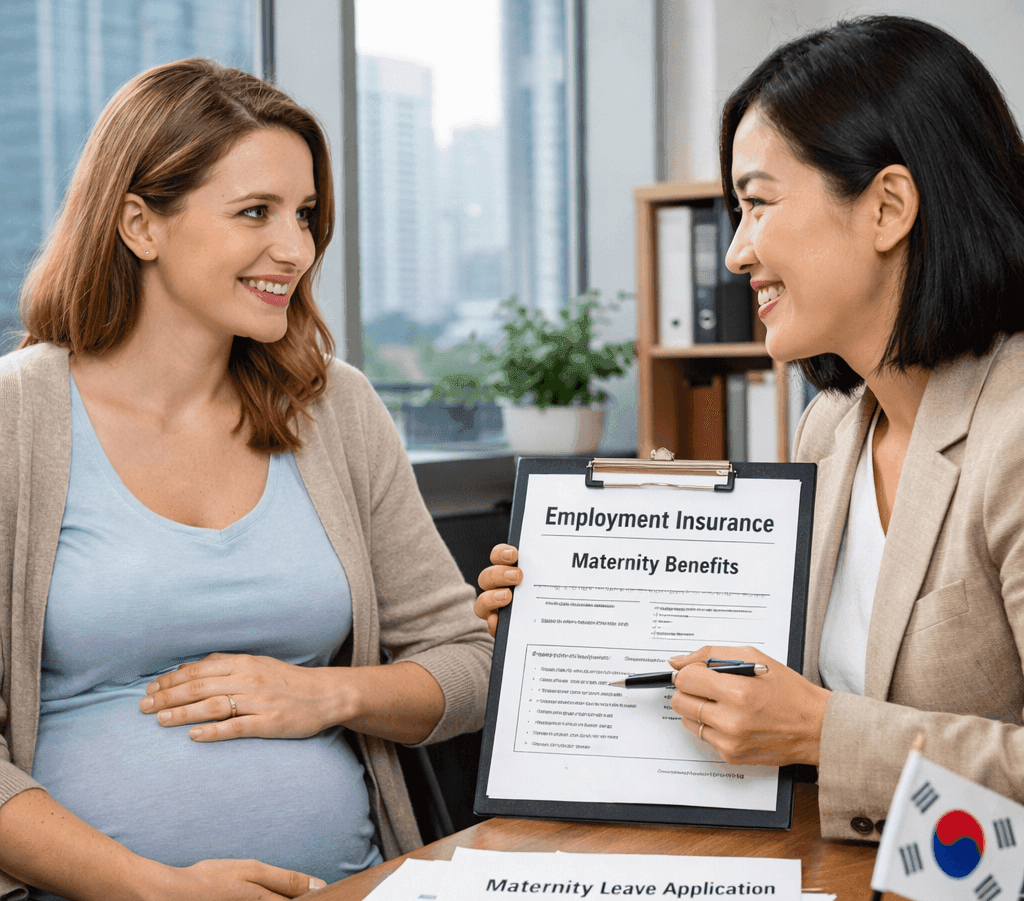
Maternity Leave in Korea (Foreigner-Friendly A to Z Guide)
Everything foreign employees need to know: eligibility, pay, Employment Insurance, visa concerns, employer pushback.
KR: 외국인도 출산휴가 가능. 핵심은 고용보험과 근로자 신분.
1. The Foundation: Are You Legally Covered?
If you are a legitimate employee under Korean labor law, maternity leave protections generally apply regardless of nationality.
- You work under employer supervision
- You receive wages
- You have an employment relationship (contract, payroll records)
The biggest misunderstanding among foreigners is thinking visa type decides everything.
In reality, Employment Insurance enrollment often determines benefit eligibility.
KR: 비자보다 고용보험이 더 중요합니다.
2. Duration: How Long Is Maternity Leave in Korea?
- Standard: 90 days
- Post-birth minimum: At least 45 days after childbirth
- Multiple births: Extended duration
Your employer cannot legally refuse to grant maternity leave.
3. Who Pays During Leave?
Maternity leave pay may involve:
- Your employer
- Government benefits via Employment Insurance (고용보험)
If you are not enrolled in Employment Insurance, you may lose access to government maternity benefits.
Before announcing pregnancy, confirm:
- Insurance enrollment status
- Insured days accumulated (often 180 days required)
- Company payment structure
4. Visa Status: What Actually Matters
Most visa categories do not remove your basic labor protections.
The practical issue is whether your employment remains officially active during leave.
- Maternity leave ≠ resignation
- Your employment status should remain valid
- Keep written confirmation from HR
KR: 출산휴가는 퇴사가 아닙니다. 재직 상태 유지 확인 필수.
5. Step-by-Step Timeline
Before Announcement
- Collect contract and pay slips
- Verify Employment Insurance enrollment
- Request written maternity policy from HR
After Announcement
- Confirm leave dates in writing
- Confirm pay structure
- Document all conversations
During Leave
- Track payments
- Maintain documentation
- Set communication boundaries if needed
6. If Your Employer Pushes Back
Common pressure tactics:
- Suggesting contract non-renewal
- Offering “voluntary resignation”
- Claiming foreigners are excluded
Your response strategy:
- Ask for written explanation
- Keep email records
- Separate leave approval from benefit eligibility
KR: 서면 요청 + 증거 확보가 가장 중요합니다.
7. Real Q&A (What Expats Actually Ask)
Q1: I’m a foreigner. Do I qualify?
A: If you are legally employed, protections generally apply. Benefit eligibility depends on Employment Insurance enrollment.
Q2: Does my visa cancel maternity leave?
A: No. But visa renewal timing and employment status must remain valid.
Q3: I’m not enrolled in Employment Insurance. Now what?
A: You may lose government benefit eligibility. Verify whether you should have been enrolled.
Q4: Can my employer fire me for being pregnant?
A: Retaliatory dismissal linked to pregnancy can create serious legal issues. Document everything immediately.
KR 한 줄: “외국인이라 안 된다”는 말은 대부분 오해입니다.
8. Final Protection Checklist
- Confirm employee classification
- Confirm Employment Insurance enrollment
- Confirm insured days (e.g., 180 days)
- Get leave approval in writing
- Keep all documentation
If you understand these five points, your risk drops dramatically.